

Vietnamese Pancakes Explained: Bánh Xèo, Bánh Căn & Bánh Khọt – What’s the Difference?
Vietnam is famous for phở, bánh mì, and fresh spring rolls, but many visitors don’t realize the country is also home to several unique styles of savory pancakes.
Unlike Western pancakes that are typically sweet, Vietnamese pancakes are crispy or fluffy savory dishes made from rice flour, often paired with fresh herbs, vegetables, seafood or pork, and a flavorful dipping sauce.
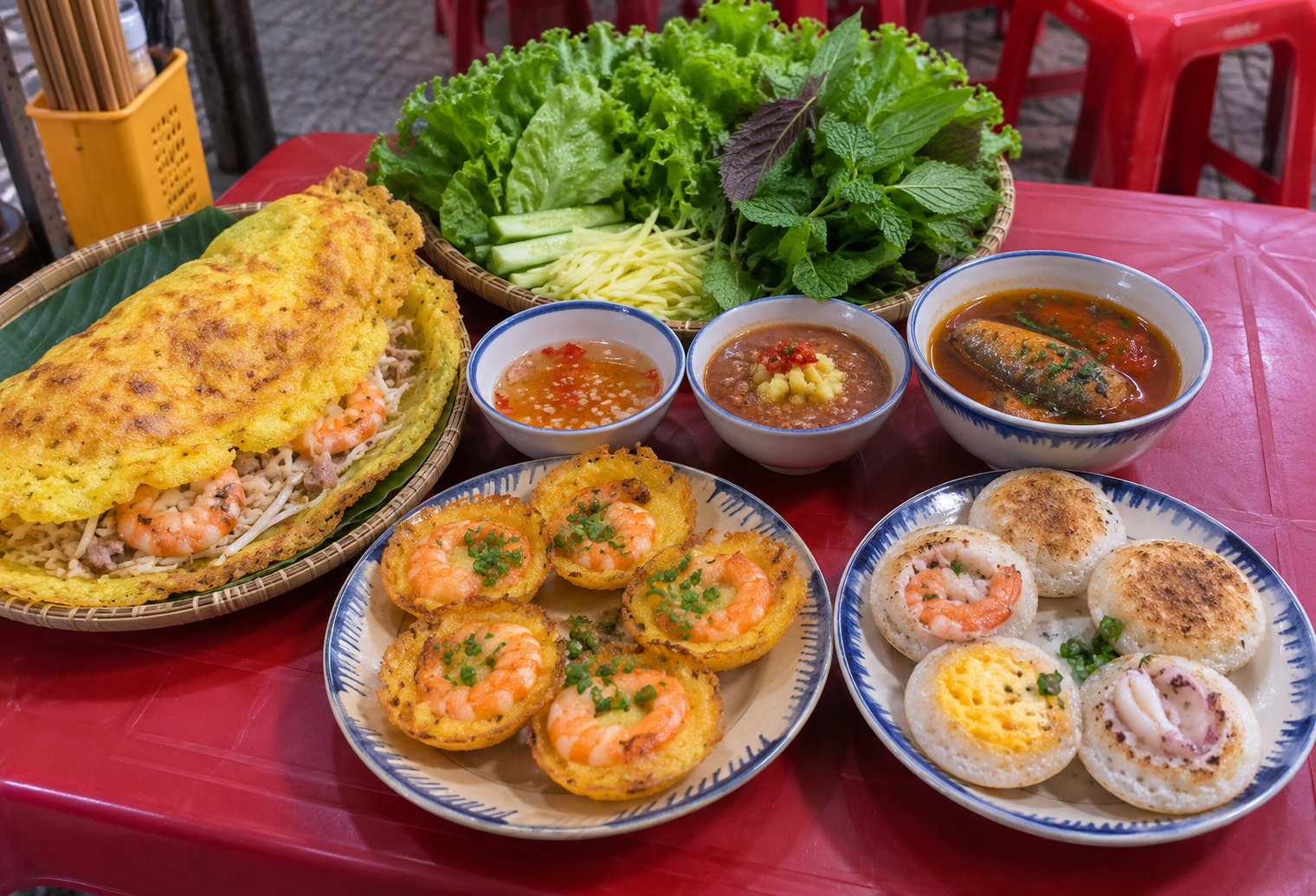
The three most famous varieties are:
- 🥞 Bánh Xèo (Banh Xeo) – the large crispy pancake
- 🥞 Bánh Căn (Banh Can) – the small grilled rice cakes
- 🥞 Bánh Khọt (Banh Khot) – the bite-sized crispy coconut pancakes
Although they may look similar at first glance, they originate from different regions of Vietnam and are eaten quite differently.
Swipe left or right to view the full table.
| Pancake | Origin | Cooking Method | Texture | Typical Filling | How It’s Eaten |
|---|---|---|---|---|---|
| Bánh Xèo | Central and Southern Vietnam | Pan-fried | Crispy | Pork, shrimp and bean sprouts | Wrapped with vegetables in rice paper or lettuce |
| Bánh Căn | South Central Coast | Grilled in clay moulds | Soft inside and crispy outside | Egg, shrimp, squid or beef | Dipped individually into sauce |
| Bánh Khọt | Southern Vietnam | Fried in small moulds | Crispy outside and fluffy inside | Shrimp | Wrapped with herbs or eaten individually |
1. Bánh Xèo (Banh Xeo) – Vietnam's Giant Crispy Pancake
1. Where does it come from?
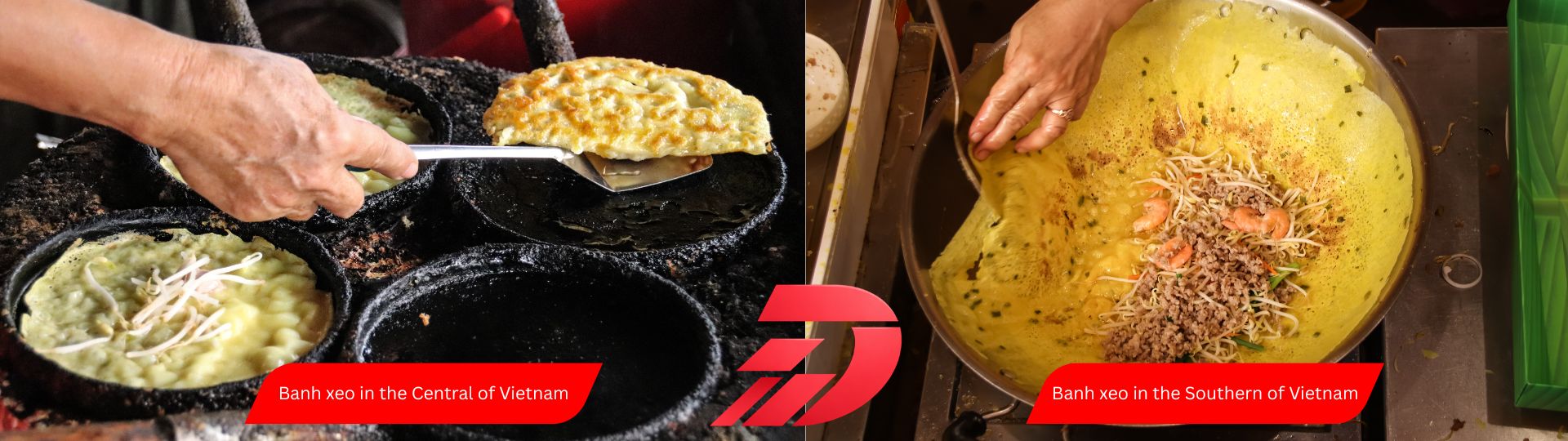
Bánh Xèo (Banh Xeo) is found throughout Vietnam, but the style changes significantly depending on the region.
Southern Vietnam (Ho Chi Minh City, Mekong Delta)
This is the version most international visitors know.
Characteristics:
- Large (30–40 cm wide)
- Very crispy
- Bright yellow from turmeric
- Filled generously with:
- shrimp
- sliced pork
- bean sprouts
- onion
- mung beans (sometimes)
The name “xèo” comes from the sizzling sound (“xèo…”) when the batter hits the hot pan.
Central Vietnam
Central Vietnamese bánh xèo (banh xeo) is noticeably different.
It is:
- much smaller
- thinner
- crispier
- less turmeric
- often filled with:
- shrimp
- squid
- beef
- bean sprouts, spring onion, white onion
Some provinces serve dozens of mini pancakes rather than one large one. Popular places include: Da Nang, Hue, Quang Nam, Nha Trang, Quy Nhon
2. How to eat bánh xèo (banh xeo)?
This is where many first-time visitors get confused. You do not normally eat it like pizza. Instead:
- Break off a small piece.
- Place it on:
- lettuce
- mustard greens
- or rice paper.
- Add herbs.
- Roll everything together.
- Dip into fish sauce.
Common herbs include:
- mint
- Vietnamese coriander
- perilla
- fish mint
- basil
The combination balances the richness of the fried pancake.
While many people wrap bánh xèo with vegetables and rice paper, you can also enjoy it by simply dipping it directly into the sauce without making a roll.
2. Bánh Căn – The Coastal Mini Rice Cakes
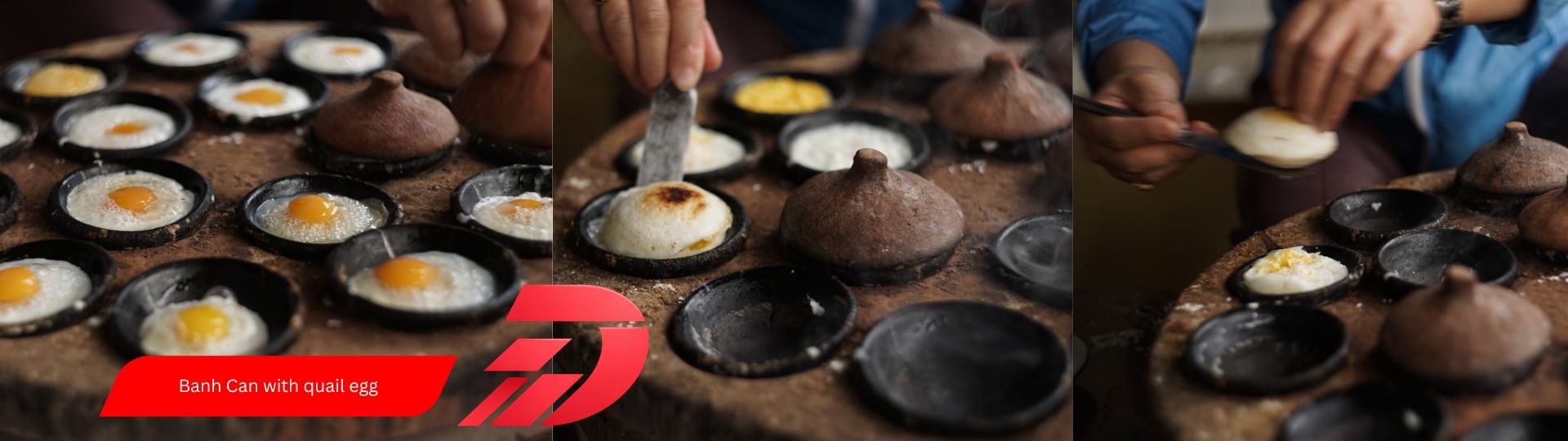
Bánh căn (banh can) is one of Vietnam’s most underrated dishes. Unlike bánh xèo (banh xeo), it isn’t fried in oil. Instead, it is cooked in small round clay moulds over charcoal. The result is:
- crispy outside
- soft inside
- almost like Japanese takoyaki—but made from rice flour instead of wheat.
1. Where is bánh căn popular?
It is especially famous in:
- Ninh Thuận (Phan Rang) – considered its birthplace
- Khánh Hòa (Nha Trang)
- Bình Thuận
- Đà Lạt (popular breakfast version)
2. Typical toppings
Instead of being stuffed, toppings are cooked directly on the batter. Popular choices include:
- quail egg
- chicken egg
- shrimp
- squid
- minced pork
- beef
- seafood
Swipe left or right to view the full table.
| Region | Typical Bánh Căn Style | Signature Dipping Sauce | Common Accompaniments |
|---|---|---|---|
| Phan Rang, Ninh Thuận | Considered one of the traditional homes of bánh căn. The cakes are commonly charcoal-grilled and topped with fresh seafood such as shrimp, squid or fish. | Braised Mackerel Sauce (Cá Nục Kho): A regional specialty made by slowly braising mackerel until the fish becomes extremely soft and tender. The rich, savoury broth is then served as a dipping sauce for the bánh căn. | Fresh herbs, shredded green mango and cucumber. |
| Nha Trang, Khánh Hòa | Often prepared with seafood toppings and served with fish balls or meatballs. | Sweet Fish Sauce (Nước Mắm Ngọt): Made by cooking fish sauce with pineapple and tomatoes, then adding lime juice, fresh chillies and other seasonings. The result is sweet, tangy, savoury and mildly spicy. | Fish balls, meatballs, shredded green mango and fresh herbs. |
| Đà Lạt, Lâm Đồng | Commonly eaten for breakfast in the city’s cooler climate. Popular toppings include egg, minced pork and beef. | Usually served with a lighter, less spicy version of nước mắm ngọt, allowing the flavour of the rice cakes and toppings to remain prominent. | Fresh herbs and pickled vegetables. |
| Central Vietnam | Local variations may feature different combinations of seafood, pork, beef or egg. | Fermented Fish Sauce (Mắm Nêm): A bold sauce made from fermented fish, mixed with minced pineapple, fresh chillies, lime juice and sugar. It has a strong aroma and a deep, savoury umami flavour. | Fresh herbs, cucumber and shredded green mango. |
3. Bánh Khọt (Banh Khot) – Southern Vietnam's Bite-Sized Crispy Pancakes
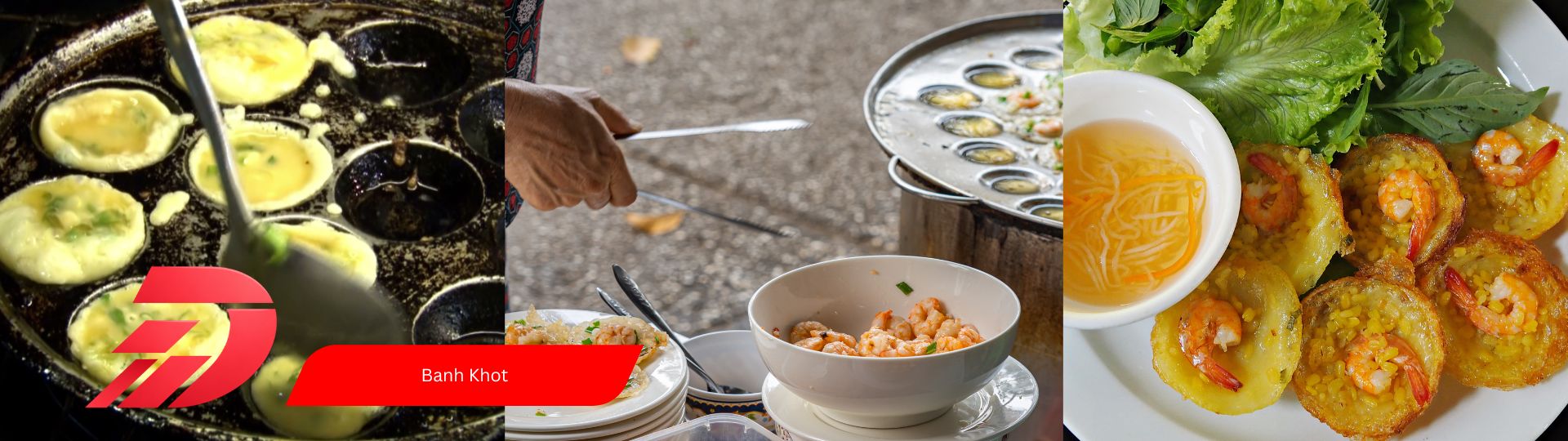
Bánh khọt (Banh khot) looks a little like bánh căn (banh can) but tastes completely different. Instead of being grilled like bánh căn (banh can), it is cooked in oil until the outside becomes golden and crispy.
Where is bánh khọt (banh khot) from?
Its hometown is Vũng Tàu (Vung Tau). Today it is popular throughout Southern Vietnam, especially:
- Ho Chi Minh City (including Vung Tau and Binh Duong)
- Dong Nai City
2. Ingredients
The batter usually contains:
- rice flour
- coconut milk
- turmeric
- water
Each cake is typically topped with:
- one whole shrimp
- dried shrimp powder
- spring onion oil
Many restaurants sprinkle:
- crispy fried shallots
- shrimp floss
3. How to eat bánh khọt
There are two common ways.
- Method 1 (Most popular): Wrap each cake inside lettuce with herbs. Dip into fish sauce.
- Method 2: Simply dip the cake directly into the sauce. Many locals switch between both methods.
4. The Vegetables That Complete the Meal
One thing foreigners often notice is the huge basket of greens served alongside Vietnamese pancakes. Common vegetables include:
- lettuce
- mustard greens
- mint
- Vietnamese basil
- perilla
- fish mint
- cucumber
- green banana (thinly sliced)
- star fruit (seasonal)
These herbs help balance the richness of the fried batter and are an essential part of the meal rather than just a garnish.
Vietnamese Dipping Sauces
Which Pancake Is Best for First-Time Visitors?
Each Vietnamese pancake offers a different culinary experience:
- Bánh Xèo is perfect if you enjoy crispy textures, fresh herbs, and making your own wraps.
- Bánh Căn showcases the lighter, charcoal-grilled flavors of Vietnam’s south-central coast and is often enjoyed as a comforting breakfast.
- Bánh Khọt delivers bite-sized crispiness with rich coconut notes and succulent shrimp, making it a favorite snack or light meal in Southern Vietnam.
For most visitors, bánh xèo is the easiest introduction because the flavors are familiar, the fresh herbs balance the richness, and it’s widely available across Vietnam.
Tips for Foreign Visitors Before Trying Vietnamese Pancakes
To make the experience more enjoyable, keep these tips in mind:
🌿 Eat the herbs
The basket of greens isn’t just decoration. Combining herbs with the pancake creates the balance of flavors that Vietnamese cuisine is known for.
🌶 Try the dipping sauce first
Some sauces—especially fermented fish sauce (mắm nêm)—have a stronger aroma and saltier taste. Start with a small amount and adjust to your preference.
🥬 Don’t be afraid to wrap
If rice paper is provided, add a piece of pancake, herbs, cucumber, and any other vegetables you enjoy, then roll it up before dipping. If only lettuce is served, simply wrap the pancake in a lettuce leaf.
🦐 Check the fillings
Seafood, pork, egg, and occasionally beef are common ingredients. If you have allergies or dietary restrictions, ask about the fillings before ordering.
🌶 Spice is optional
Fresh chili is usually served separately. Add it gradually if you enjoy spicy food, or skip it altogether.
💵 Cash may still be useful
While many restaurants in major cities accept cards or digital payments, smaller local eateries—especially those serving regional specialties—may prefer cash.
Image source: Chat GPT, Canva.com