

Vietnam Introduces New Halal Regulations in 2026 to Support Businesses and International Trade
Vietnam has introduced a new regulatory framework for Halal products and services, marking an important development in the country’s efforts to strengthen international trade, support local businesses and attract Muslim travellers.
On 6 April 2026, the Government of Vietnam issued Decree No. 127/2026/ND-CP, establishing a comprehensive framework for managing the quality and development of Halal products and services.
The decree officially took effect on 1 June 2026, introducing regulations covering Halal standards, certification, product labelling, traceability and quality management.
According to an announcement published by Vietnam’s Ministry of Science and Technology on 3 June 2026, the framework aims to improve transparency, strengthen consumer confidence and create new opportunities for Vietnamese businesses participating in the international Halal market.
1. What Is Vietnam’s New Halal Regulatory Framework?
2. Is Halal Certification Mandatory in Vietnam?
3. New Opportunities for Vietnamese Food Producers and Exporters
4. Supporting Vietnam’s Tourism and Hospitality Industry
5. What Does This Mean for Small and Medium-Sized Businesses in Vietnam?
6. Vietnam Plans to Develop a National Halal Database
1. What Is Vietnam's New Halal Regulatory Framework?
Halal is an Arabic term meaning “permissible” or “lawful” under Islamic teachings. Although commonly associated with food and beverages, Halal requirements also extend to other products and services, including cosmetics, accommodation, tourism and transportation.
Vietnam’s new decree establishes a legal framework to regulate the quality of Halal products and services while supporting the development of the country’s Halal industry.
The regulations address several key areas:
- Halal standards: Establishing requirements for products and services to comply with applicable Halal standards.
- Certification: Defining requirements for organisations providing Halal certification services.
- Product labelling: Improving transparency through clear Halal identification on product packaging.
- Traceability: Strengthening the ability to track the origin of ingredients and products.
- Quality management: Ensuring Halal requirements are maintained throughout production and supply chains.
- Inspection and supervision: Providing mechanisms for monitoring compliance and addressing violations.
One important aspect of the decree is its focus on the entire supply chain rather than only the finished product. For example, Halal food producers must consider the sourcing of ingredients, processing methods, packaging, storage and transportation to prevent contamination with non-Halal substances.
02. Is Halal Certification Mandatory in Vietnam?
Under Decree No. 127/2026/ND-CP, Halal certification is generally voluntary, depending on the needs of businesses, unless otherwise required by relevant sector-specific legislation. However, companies wishing to market their products as Halal must ensure that they meet the applicable requirements.
The decree also establishes requirements for Halal certification organisations operating in Vietnam. These include appropriate management systems, qualified assessment personnel and the involvement of Muslim professionals with relevant expertise.
For Vietnamese businesses, certification can provide an important way to demonstrate compliance with Halal requirements, particularly when entering international markets. Businesses planning to export should also verify the certification and recognition requirements of their destination countries, as Halal standards and accepted certification bodies may differ between markets.
03. New Opportunities for Vietnamese Food Producers and Exporters
The introduction of the regulatory framework is expected to create opportunities for Vietnamese companies seeking to participate in the international Halal economy.
Vietnam is already an established exporter of agricultural products, seafood, processed foods and other consumer goods. As demand for Halal products continues across Muslim-majority markets, Vietnamese businesses may be able to expand their international customer base by meeting the relevant standards.
Potential opportunities include:
Agriculture and food production
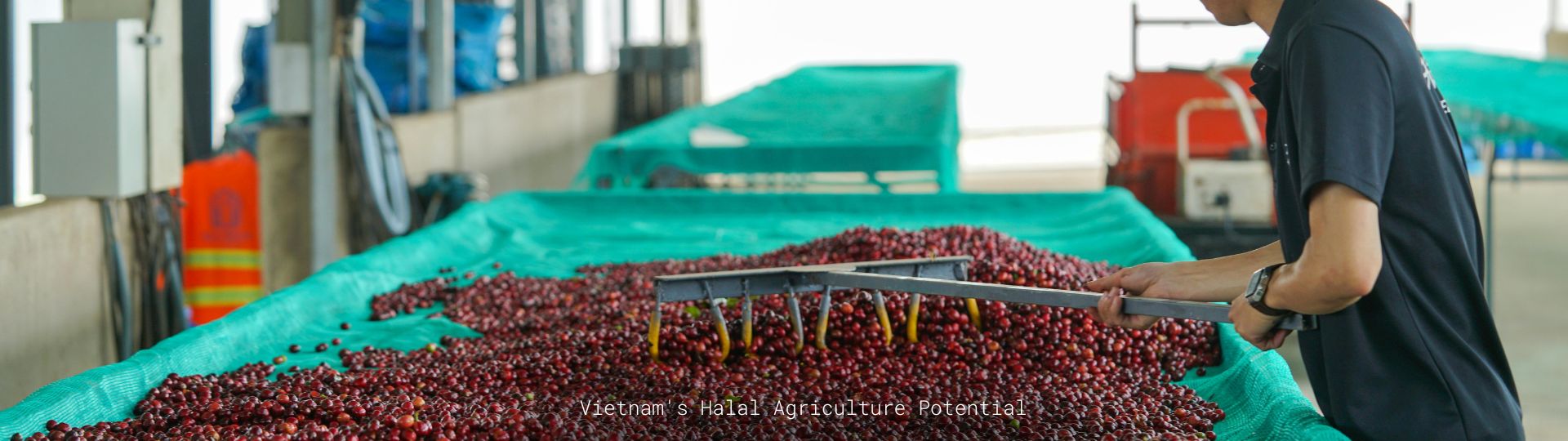
Vietnamese producers of rice, coffee, seafood, fruit and processed foods may explore Halal certification to serve additional international markets.
Food processing and manufacturing
Manufacturers can develop Halal-compliant production processes and strengthen quality controls to support export activities.
Cosmetics and personal care
Halal requirements also apply to certain cosmetics and personal care products, creating opportunities for manufacturers seeking to diversify their product offerings.
International trade
The government intends to strengthen cooperation with international organisations and develop mutual recognition arrangements to facilitate Halal trade.
The Ministry of Science and Technology will play a role in promoting cooperation and recognition of Halal conformity assessment results. These developments could help Vietnamese businesses reduce barriers when accessing international markets, although individual market requirements will continue to apply.
04. Supporting Vietnam's Tourism and Hospitality Industry
Beyond manufacturing and exports, the new regulatory framework also covers Halal services, including accommodation, food services, travel and transportation.

Vietnam welcomes visitors from a wide range of countries, including Muslim-majority markets such as Malaysia, Indonesia and countries in the Middle East. However, Muslim travellers may face challenges when seeking Halal dining options and suitable travel services, especially outside major cities.
The new framework provides an opportunity for Vietnamese tourism businesses to better understand and respond to these needs. For example, hotels and restaurants may consider introducing Halal-compliant dining services, while travel operators could develop packages designed for Muslim travellers.

According to the Ministry of Science and Technology, the Ministry of Culture, Sports and Tourism will support initiatives promoting Vietnam as a Muslim-friendly destination and help tourism businesses connect with relevant international markets. Although the new regulations do not mean that Halal services will immediately become widely available, they establish a foundation for further development.
05. What Does This Mean for Small and Medium-Sized Businesses in Vietnam?
The new framework is particularly relevant to Vietnamese small and medium-sized enterprises (SMEs) exploring opportunities in new markets. Businesses involved in food production, restaurants, hospitality, cosmetics and tourism may benefit from understanding Halal requirements and assessing whether certification is appropriate for their operations
For SMEs considering entering the Halal market, several practical steps may include:
- Understand Halal requirements: Identify which standards apply to the company’s products or services.
- Review ingredients and suppliers: Check whether raw materials and production processes meet the relevant requirements.
- Assess certification needs: Determine whether Halal certification is necessary or commercially beneficial for the intended market.
- Evaluate operational readiness: Review existing production, storage and handling procedures.
- Research target markets: Understand the certification requirements and consumer expectations of destination countries.
The decree also introduces policies intended to support Halal industry development, including trade promotion activities and international cooperation. Eligible businesses participating in international trade fairs, exhibitions and trade promotion programmes may receive support through applicable national initiatives. However, businesses should check the conditions and eligibility requirements of individual programmes before applying.
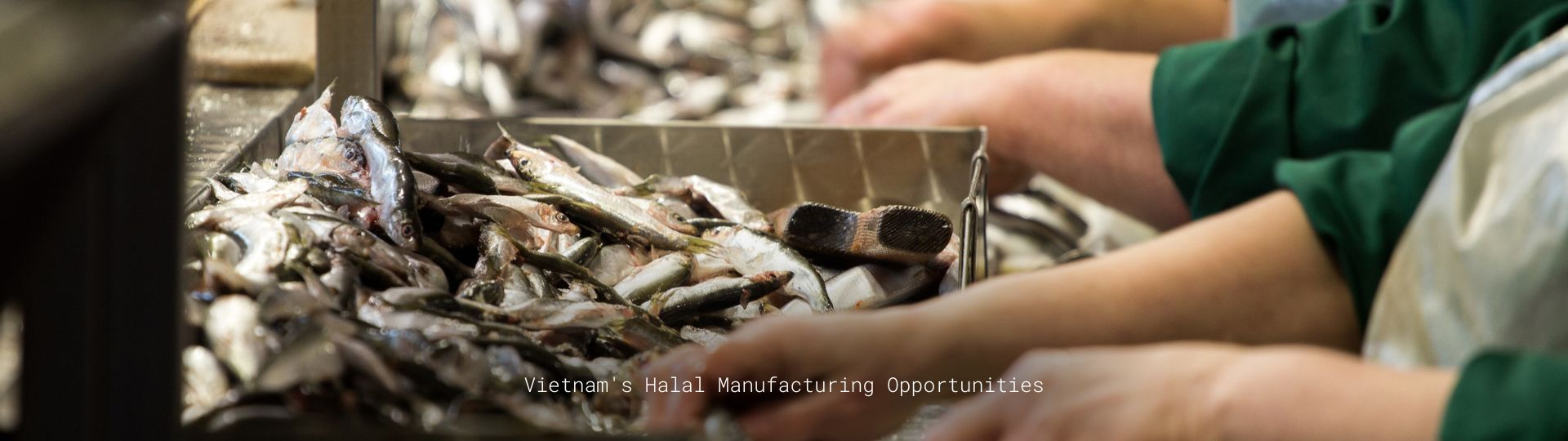
06. Vietnam Plans to Develop a National Halal Database
Another notable development is the government’s plan to establish a National Halal Database. According to the Ministry of Science and Technology, the database will provide information about:
- Applicable Halal standards and regulations.
- Requirements of international export markets.
- Halal certification organisations.
- Businesses and products that have obtained Halal certification.
The database is intended to integrate with Vietnam’s broader national systems for standards, metrology and quality management. Once implemented, it could become a useful resource for businesses seeking reliable information about Halal compliance and market access.
For consumers, greater transparency surrounding certification and product information may also help improve confidence when choosing Halal products and services.
07. A New Chapter for Vietnam's Halal Industry
The introduction of Decree No. 127/2026/ND-CP represents an important step in the development of Vietnam’s Halal industry. By establishing clearer requirements for quality management, certification and product transparency, the government aims to create a more consistent framework for businesses and consumers.
The regulations also reflect Vietnam’s efforts to strengthen international economic cooperation and diversify its export opportunities.
For Vietnamese businesses, understanding Halal standards may become increasingly relevant as they explore new markets and customer segments.
For the tourism industry, the framework could encourage the development of additional Muslim-friendly services, making Vietnam more accessible to international visitors.
While the long-term impact will depend on implementation, industry participation and international recognition, the new regulations provide a foundation for the continued development of Halal products and services in Vietnam.
08. References
- Government of Vietnam. (6 April 2026). Decree No. 127/2026/ND-CP on Quality Management and Policies for the Development of Halal Products and Services. Effective from 1 June 2026.
https://vanban.chinhphu.vn/?docid=217552&pageid=27160 - Ministry of Science and Technology, Vietnam. (3 June 2026). Establishing a Comprehensive Legal Framework for the Halal Industry and Expanding Export Opportunities.
https://mst.gov.vn/thiet-lap-khung-phap-ly-toan-dien-cho-nganh-halal-mo-rong-co-hoi-xuat-khau-197260603145345951.htm - Vietnam Halal Certification Centre (HALCERT). (7 April 2026). Decree No. 127/2026/ND-CP: A New Step in the Management and Development of Vietnam’s Halal Market.
https://halcert.mst.gov.vn/tin-tuc-va-su-kien/nghi-dinh-127-2026-nd-cp-buoc-tien-moi-trong-quan-ly-va-phat-trien-thi-truong-halal-tai-viet-nam/ - Vietnam Halal Certification Centre (HALCERT). (n.d.). Frequently Asked Questions about Halal Certification and Regulatory Requirements in Vietnam.
https://halcert.mst.gov.vn/cac-cau-hoi-thuong-gap/ - Image Sources: Canva.com