


Lao Cai Province Vietnam: Mountains, Culture and Natural Wonders
Lao Cai is a northern mountainous province of Vietnam covering approximately 6,364.02 km² with a population of about 730,400 people in 2019. Its capital is Lao Cai City. The province is famous for Sapa, Fansipan Peak, terraced rice fields, ethnic minority communities, and highland agricultural specialties.
Table of Contents
- Where Is Lao Cai Located?
- Geography and Natural Landscape of Lao Cai
- Population and Administrative Overview
- Ethnic Minority Groups in Lao Cai
- Agriculture and Local Specialties
- Wildlife and Biodiversity
- Historical and Cultural Landmarks
- Why Lao Cai Is Unique
- Frequently Asked Questions
- Business Directory
Where Is Lao Cai Located?
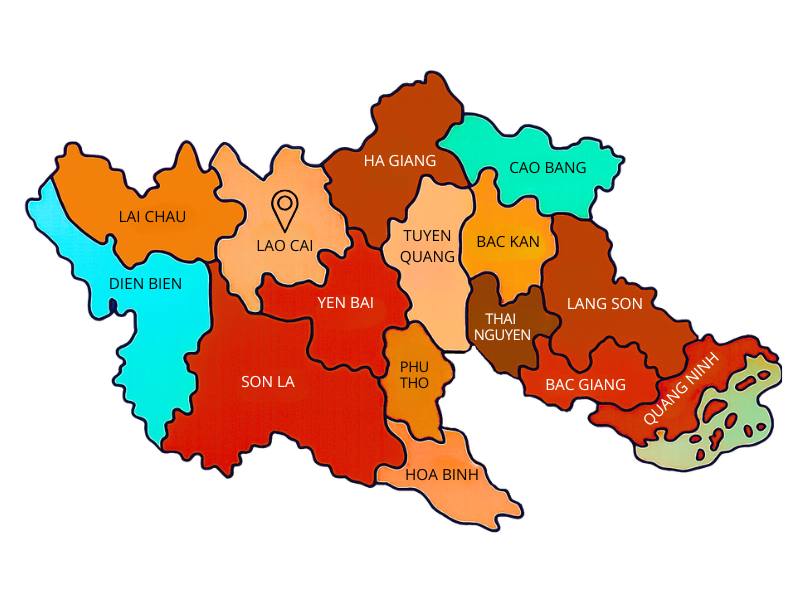
Lao Cai province is located in northern Vietnam and shares mountainous frontier terrain. Lao Cai City serves as the provincial capital and an important regional center. Its position in the highlands gives it a cool climate and distinctive landscape.
Geography and Natural Landscape of Lao Cai
Covering approximately 6,364.02 km², Lao Cai is dominated by mountains, valleys, and terraced fields. The province is home to Fansipan Peak, the highest mountain in Vietnam, often referred to as the “Roof of Indochina.”
The mountainous terrain supports scenic landscapes, including terraced rice fields carved into hillsides. Rivers and streams flow through valleys, contributing to agriculture and settlement patterns.
Sapa is one of the most well-known destinations in Lao Cai, recognized for its cool climate and dramatic mountain views.
Population and Administrative Overview
Lao Cai has a population of approximately 730,400 people in 2019. Communities are distributed across mountainous districts and valleys. The province includes both urban centers and rural highland areas.
Ethnic Minority Groups in Lao Cai
Lao Cai is one of the most ethnically diverse provinces in Vietnam. Ethnic groups include: H’Mong people, Dao people, Tay people, Giay people, Ha Nhi people.
Each group maintains traditional dress, festivals, handicrafts, and agricultural practices. Cultural diversity is a defining feature of the province.
Agriculture and Local Specialties
Agriculture in Lao Cai focuses on highland crops and terrace farming. Key products include: Rice (terraced cultivation), Corn, Tea, Medicinal herbs. Local specialties reflect mountain traditions and seasonal produce.
Wildlife and Biodiversity
Lao Cai’s mountainous forests provide habitats for diverse wildlife species. The high-altitude ecosystem around Fansipan supports unique flora and fauna.
The forest and mountain environment contributes significantly to biodiversity in northern Vietnam.
Historical and Cultural Landmarks
Fansipan Peak
The highest mountain in Vietnam and a major natural symbol of the province.
Sapa
A well-known highland town famous for scenic views and ethnic culture.
Terraced Rice Field
Iconic agricultural landscapes shaped by generations of local communities.
Why Lao Cai Is Unique
Lao Cai stands out for its high mountain landscapes, ethnic diversity, and iconic terraced rice fields. The presence of Fansipan Peak and Sapa makes it one of Vietnam’s most recognizable highland provinces.
Frequently Asked Questions
Where is Lao Cai province located?
Lao Cai is located in northern Vietnam in a mountainous highland region.
What is Lao Cai famous for?
It is famous for Fansipan Peak, Sapa, and terraced rice fields.
What ethnic groups live in Lao Cai?
Ethnic groups include H’Mong, Dao, Tay, Giay, and Ha Nhi communities.
What is the highest mountain in Lao Cai?
Fansipan Peak is the highest mountain in Vietnam.
What is the new administrative province after Lao Cai’s merger?
In 2025, Yen Bai and Lao Cai provinces were consolidated into a single administrative region named Lao Cai Province.
Business Directory of Lao Cai Province
In 2025, Yen Bai and Lao Cai provinces were consolidated into a single administrative region named Lao Cai Province.